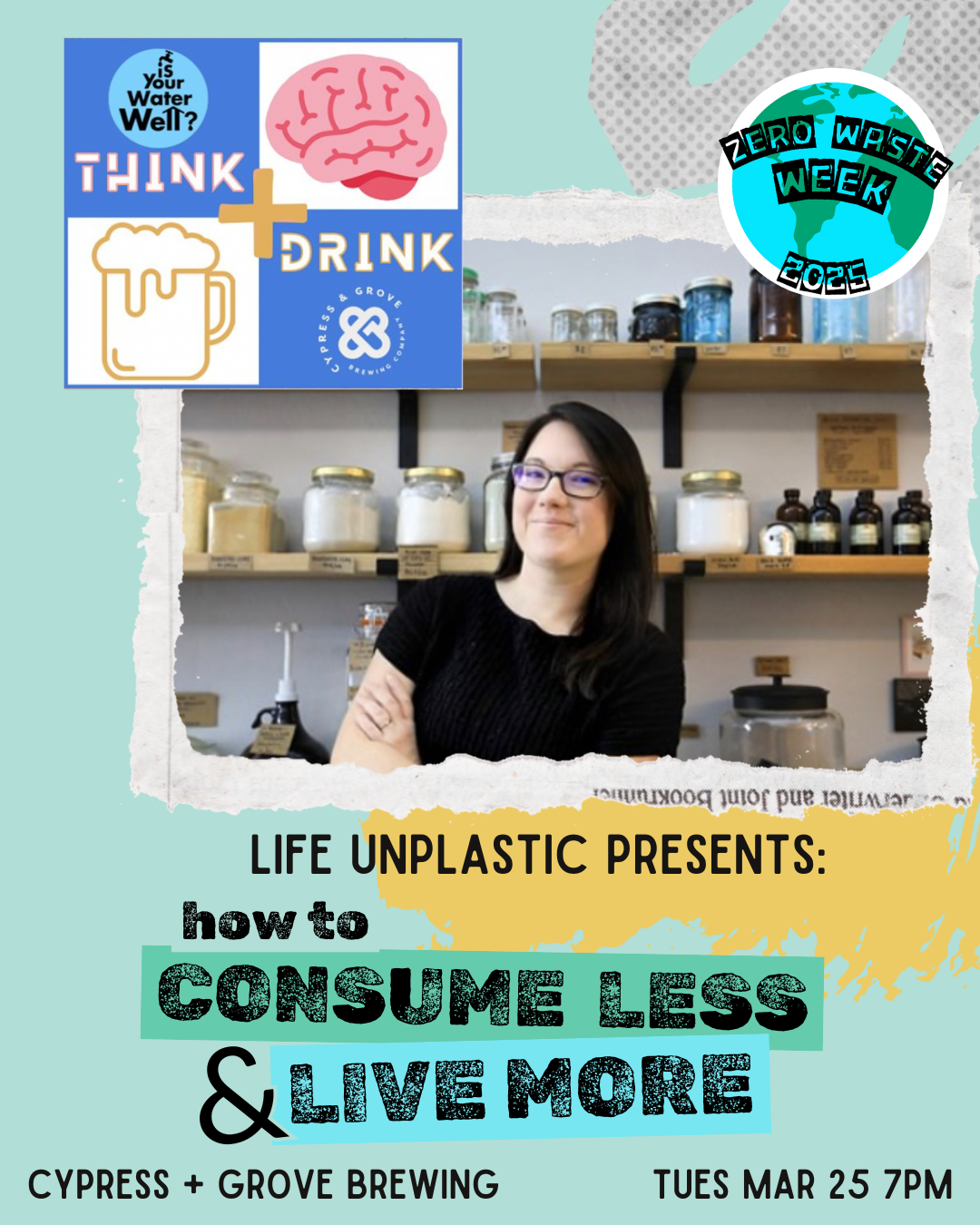
Consume Less & Live More

This post is a summary/transcription of a talk that I presented at a Think & Drink event at Cypress & Grove Brewing Co. as part of Zero Waste Week 2025.

Consumption isn’t just what we buy, it’s how we live.
Consumption shapes the world.

Pre the industrial era, people generally only bought what they needed, then repaired, reused, and passed down those items. People owned fewer things, but those things were built to last. Post the World War II boom, mass production has led to more marketing, so that demand can keep up with supply (notice how backward that is?). Things are made to be replaced, with the goal of keeping consumers consuming and producers producing – and profiting. We’re in a culture of disposability and convenience above all.

A grayscale photo of a family in 50s attire throwing their arms in the air as household items are mid-air around them.

That culture has only gotten stronger, as today, we’re constantly bombarded with new products we “need,” and big-box stores, fast fashion, and rapidly changing trends are the new normal. Manufacturers tend to prioritize profit over quality and sustainability, and the public is footing the cost that big corporations refuse to pay.

The average American today owns more stuff than any other generation in history. While we used to buy things because we needed them, now we buy because someone told us to, it was on sale, just because we can, or for no reason at all. Our houses have almost tripled in size since the 1950s, but we’re still running out of space.

A graph of the quantity of U.S. Storage Facilities vs. Fast Food Restaurants, showing that there are 52,301 storage facilities compared to the combined amount of 52,431 Starbucks, McDonald's, Dunkin Donuts, Pizza Huts, and Wendy's locations.

Modern self-storage facilities did not appear until the late 1960s, but we’ve already amassed such a demand for them that they now outnumber fast food restaurants in the US. One in ten US households rents a self-storage unit to keep their extra stuff in.

That begs the question:
If buying more made us happier, wouldn’t we be the happiest we’ve ever been?

But we’re not. We’re more stressed, in more debt, and more disconnected than ever.

The real cost of MORE isn’t just financial. MORE means more clutter, more stress, and more debt. The average American household has over 300,000 things and is $6,000 in credit card debt. Psychological studies have shown that household clutter increases stress and reduces wellbeing. And, of course, the manufacture and disposal of STUFF drives pollution and waste at an unprecedented scale.

A diagram showing arrows leading in a circle from impulse shopping, to more clutter, to more stress/anxiety, to lack of control, back to impulse shopping.

So we end up stuck in an endless loop: we shop, which adds to the clutter, debt, and stress, which makes us feel out of control, so we shop some more to feel excited about new stuff. Because that’s what everyone keeps saying: you NEED this new thing, it’ll make you so happy/beautiful/wealthy/liked/fulfilled/cool. We’re kept in this cycle on purpose, through planned obsolescence, obsessive marketing, and the illusion of choice – even though the same players profit, no matter which brand we choose.

A diagram showing an overwhelming amount of companies belonging to 10 major corporations: Nestle, Pepsico, General Mills, Kellog's, Associated British Foods, Mondelez International, Mars, Danone, Unilever, and CocaCola.

But who actually benefits from this cycle? Not us!

Corporations and billionaires end up profiting off of our confusion and struggle. The world’s richest 1% own more wealth than the bottom 50% combined.

You can opt out of this system.

What if we consumed in a way that actually made life easier, cheaper, and more fulfilling?

How? First, use what you have. “Shop” in your own home, repair broken items, and repurpose things that can’t do their job anymore. When you must get something new, try to borrow it or get it secondhand. Utilize resources like your local library or a Buy Nothing group, and shop small businesses whenever you can. In general, we’re trying to ditch the single-use mindset and buy things that were built to last, not consume mindless items that will become waste.

Break up with mega corporations, too. It’s a toxic relationship that does nothing but drain you. Audit your spending to see what’s actually getting your attention, time, and resources that could be going into things that align with your values. Opt out of advertising by unfollowing people that do nothing but brand deals, hauls, and sponsorships, and install an ad-blocker to take back control over your devices. Pay with cash when you can, so your money stays where you spend it instead of going to billionaires. Reduce your impulse buy triggers wherever you can. When you suddenly get the urge to buy something, stop and take a second to recall the last time you felt that way and how that last purchase made you feel, and how you’d be doing now if you had never gotten that thing. Think about if you would still need that thing if you hadn’t just seen an ad for it, or if it wasn’t on sale, or if you hadn’t had a stressful day at work.

A storage unit filled to the ceiling with boxes and furniture.

Redefine your values, and stick to them. What does another reusable water bottle contribute to your personal growth? What about that trendy top will strengthen your relationships or give back to your community? Do you really want to look back at your life and see material things, or are experiences more important?

Look for businesses that are doing it right, with sustainable packaging, certifications to back up the ethicality of their practices, and a transparent discussion about the impact they have on the environment.

So, how can you apply this right here in Gainesville?

Focus on experiences over stuff – there are tons of events happening in Gainesville every single weekend! Getting involved in your community might just lessen your stress more than buying new things ever did. Eat local at our weekly farmer’s markets or participate in a CSA to get local produce. This will increase the quality of your food and reduce the emissions associated with getting it to you, so your meals are better for you and for the planet. Learn a new skill, like gardening or ceramics, to give yourself something to do and a community to be a part of. Remember that consuming less isn’t about deprivation, it’s about being intentional and gaining back control.

Sustainable living is a journey, and everyone’s journey is different. Focus on progress, not perfection, and you’ll find that every step is taking you closer to the world you want to live in. And your small steps are often more impactful than you may realize, because when others see how you consume intentionally and stick to your values, they’ll follow your example. It’s all part of the journey to a world where everyone is more fulfilled without damaging the planet. And we believe that goal is entirely within our reach.

Cartoon-stylized smiling versions of the Earth and Sun hold glass jars and walk arm in arm down a path, with a sign that says "The Future" pointing where they are headed.

Zero Waste Week 2025

March 23-29, 2025

This year, join us in celebrating sustainability with a week of events focused on reducing waste, building community, and rethinking consumption. Brought to you by The Repurpose Project, Zero Waste Gainesville, Life Unplastic, and the City of Gainesville Zero Waste Initiative!

There are loads of events planned for the week, but we also have an exciting promotion to share: 10% OFF storewide, all week long!

Graphic with the Zero Waste Week 2025 logo next to text about a 10% sale at Life Unplastic, March 23-29.

Calendar of ZWW 2025 events. On the 23rd, the Fix It Clinic from 1-3 at Repurpose Project Community Center, on the 24th, Grove Street Farmer's Market from 4-7pm at Cypress & Grove, on the 25th, Think & Drink: Consume Less, Live More at 7pm at Cypress & Grove, on the 27th, Beginner's Gardening Workshop at 6pm at GNV Giving Garden, on the 28th, Compost Cooperative & Gardens Compost Orientation at 5pm at UF Bioenergy and Sustainable Tech Lab, and on the 29th, a Trash Cleanup from 10am to 12pm under NW 8th + NW 13th St bridge.
Fix it Clinic flyer with the ZWW2025 logo and the information that's included to the right.

Annual Fix-it Clinic

When: 1-3 pm Sunday, March 23

Where: The Repurpose Project Community Center (1920 NE 23rd Ave, Gainesville, FL)

Volunteers will help you fix small electronics, lamps, bikes, and sewing machines.

Grove Street Farmer’s Market

When: 4-7 pm Monday, March 24

Where: Cypress & Grove (1001 NW 4th Street)

Visit the Zero Waste table at the Farmers Market and learn about Zero Waste, Recycling, Composting, and more.

Grove Street Farmer's Market flyer with the ZWW 2025 logo and the information included to the left.
Think & drink flyer with the ZWW 2025 logog, Life Unplastic logo, and Cypress & Grove's logog, as well as the information included to the right.

Life Unplastic Think & Drink: How to Consume Less and Live More

When: 7 pm Tuesday, March 25

Where: Cypress & Grove (1001 NW 4th Street)

An interactive presentation and discussion on how to reject overconsumption in favor of living intentionally and sustainably.

(INVITATION ONLY) Happy Hour Meetup For Zero Waste Networking

If you’re a local business interested in working on Zero Waste initiatives, we’re going to be hanging out and discussing all kinds of interesting ways to get involved!

Invitation only happy hour meetup flyer for March 26, hosted by the Repurpose Project, Life Unplastic, City of Gainesville Zero Waste Initiative, and Zero Waste Gainesville.
Giving Garden logo.

Beginners Gardening Workshop

When: 6 pm Thursday, March 27

Where: Gainesville Giving Garden (225 NW 12th Ave., Gainesville, FL 32601)

Learn how to start or revamp your spring garden, including what to plant, how to tend the soil, and how to fertilize organically.

Compost Cooperative and Gardens: Composting Orientation

When: 5 pm Friday, March 28

Where: University of Florida Bioenergy and Sustainable Technology Lab (UF Energy Research and Education Park on SW 23rd Terrace)

Compost Cooperative and Gardens will provide you with an in depth introduction to the cooperative, ensuring that you have the knowledge necessary to compost effectively and understand your role in creating a greener planet.

A photo of hands holding soil.
Keep Alachua County Beautiful logo.

Keep Alachua County Beautiful Trash Cleanup

When: 10 am-12 pm Saturday, March 29

Where: Under NW 8th and NW 13th Street Bridge

Join us to pick up litter and keep our community safe and beautiful!

How I Choose Suppliers

I’ve talked a bit about how certification from B Lab isn’t necessarily the standard of environmental action that it used to be. As sustainability becomes more and more of a buzzword (and climate change becomes more and more of an emergency,) greenwashing runs rampant, and it can be frustrating to try and determine if brands are really committed.

There are of course still ways to tell if a business aligns with our values of both environmental and social sustainability, and I am constantly double-checking to make sure that we’re doing business for the good of people and the planet. To vet our suppliers, I usually follow this simple checklist of green flags that mean a company isn’t just dreaming of making an impact, they’re actually putting their money where their marketing is.

  1. They use sustainable packaging
  2. They have certifications in sustainability
  3. They handmake their products in small batches
  4. They are completely transparent about their environmental impact

Sustainable packaging and shipping

I look for brands that offset the carbon footprint of their shipping with carbon credits from companies like Clearloop or Grassroots Carbon.

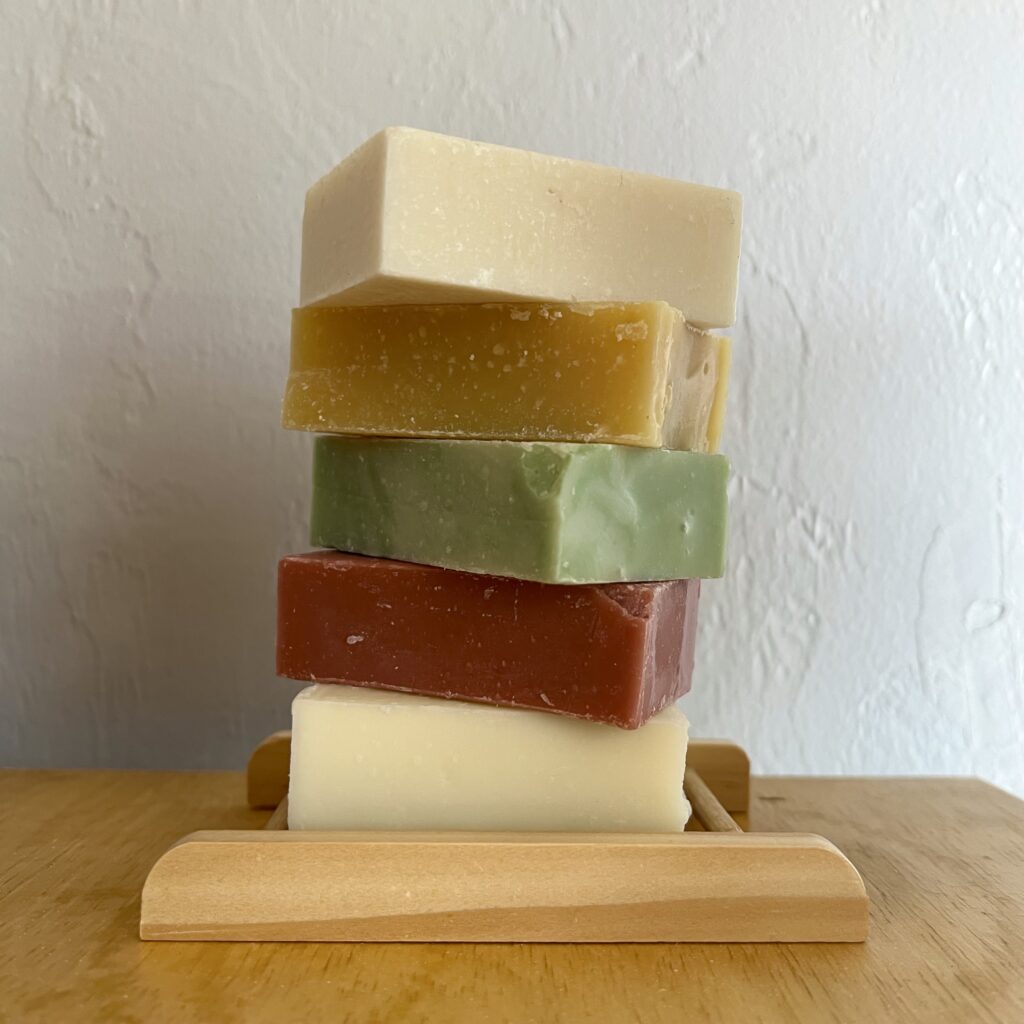
Using recycled and recyclable packaging for the individual products is honestly bare minimum, and I prefer the option to go package-free.

A stack of package-free soap bars on a wooden soap dish.
Some of our package-free soap varieties.

Certifications

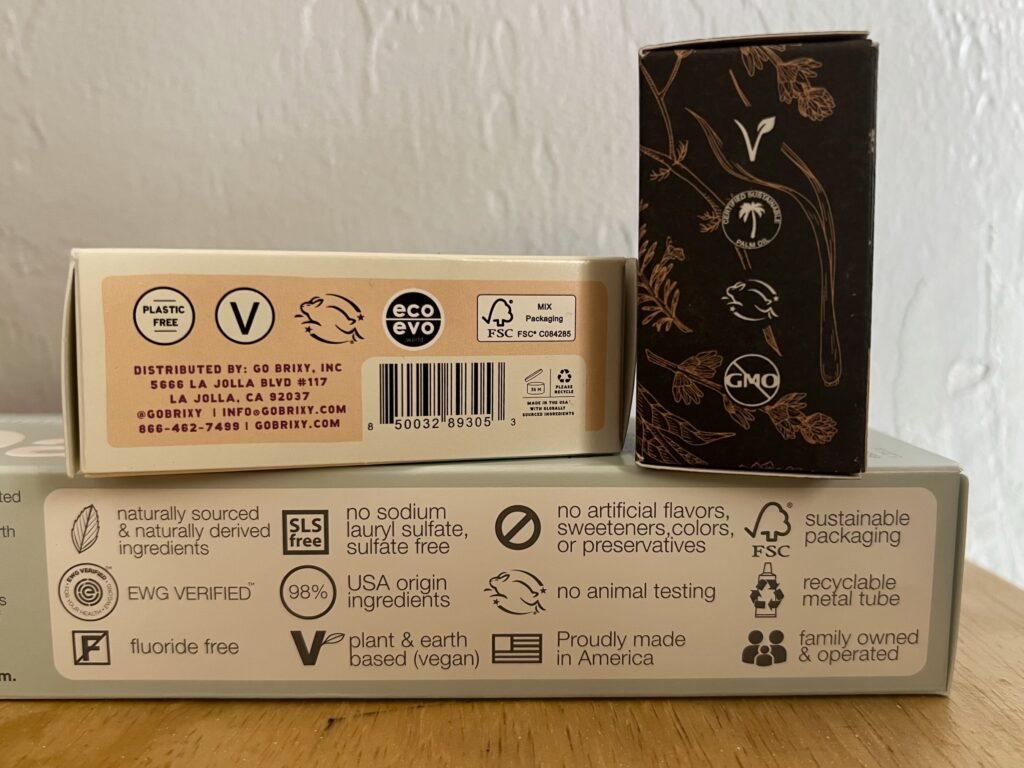
B-corporations aren’t all bad; many are truly making a difference. It’s often true, however, that if a B-corp is really legit, they’ll have more certifications than just the B-lab’s.

I look for things like Leaping Bunny, Women-Owned, Made Safe, and 1% for the Planet.

Boxes with the sides showing all their certifications showing. Includes Vegan, Leaping Bunny, Sustainable Packaging, no GMO, and more.
An example of the certifications that our suppliers have achieved for their products.

I also get products from smaller businesses that don’t have the resources or time to dedicate to getting fancy labels, and instead are doing every little thing possible to make their operations as eco-friendly as they can. This kind of effort is immediately obvious on the brand’s website, as they’ll discuss their personal journey with zero-waste lifestyles or they’ll have a dedicated page to detail the everyday actions they take to reduce their impact on the environment.

Handmade or Small-batch products

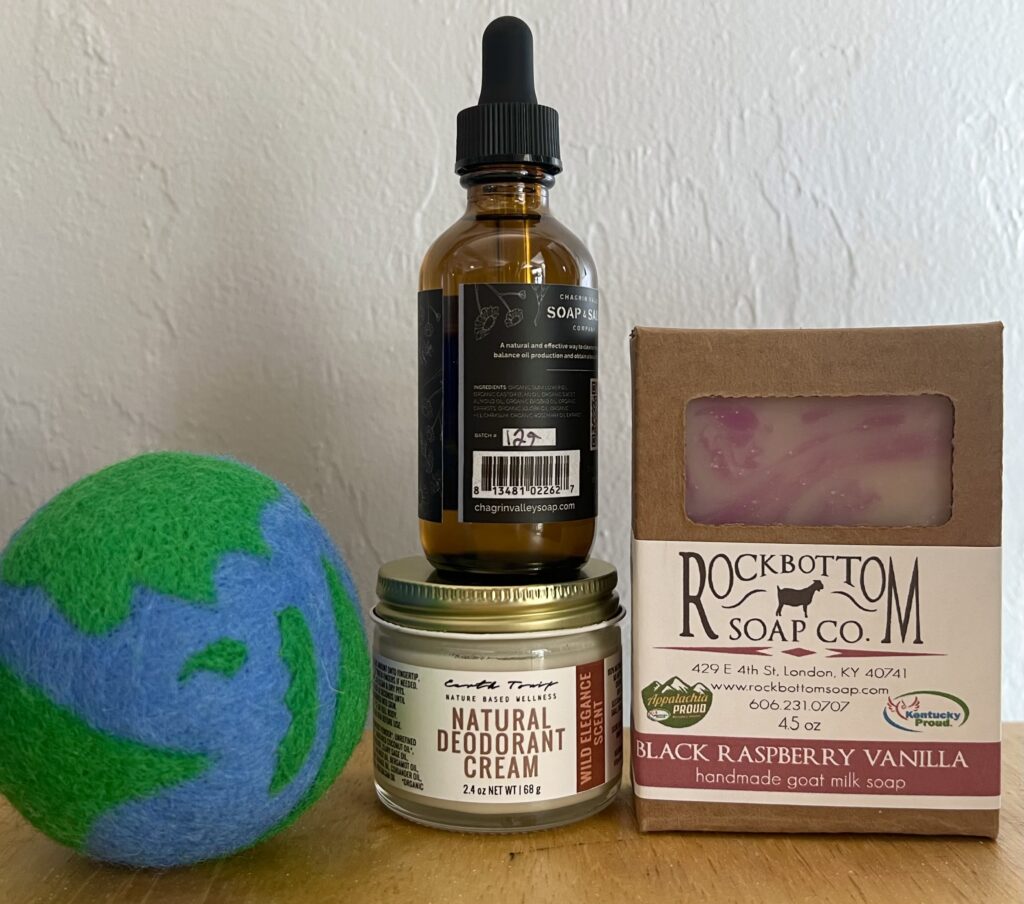
Like I said, I don’t just look for the big guys who have all those certifications and are making waves in the climate action scene. I love to see that a company hand-makes their products, especially in small batches. This reduces the resources used and ensures a high quality item I can be sure is safe and clean for you all.

Locally made, USA-made, and small-batch products are arranged on a shelf, including a dryer ball, a jar fo natural deodorant, a bar of soap, and a bottle of cuticle oil.
A few products that are made locally, in the USA, in small batches, or by a small business.

I also try to get local items as much as possible. This keeps shipping emissions down and helps us give back to the economy that feeds us, so everything is a lot more circular.

Transparency

One thing that I always always want to see is an open, honest discussion of a company’s environmental impact.

All of our brands report on their sustainability efforts and goals, and many even include details about each ingredient in their products, so I know exactly what we’re getting into (and what’s getting into us!).

Transparency is something every single company can do, so we never compromise on it.


I can’t read people’s minds, so I watch our supplier’s actions very closely. If anything makes us doubt their role in doing business for good, I reevaluate our relationship with them ASAP.

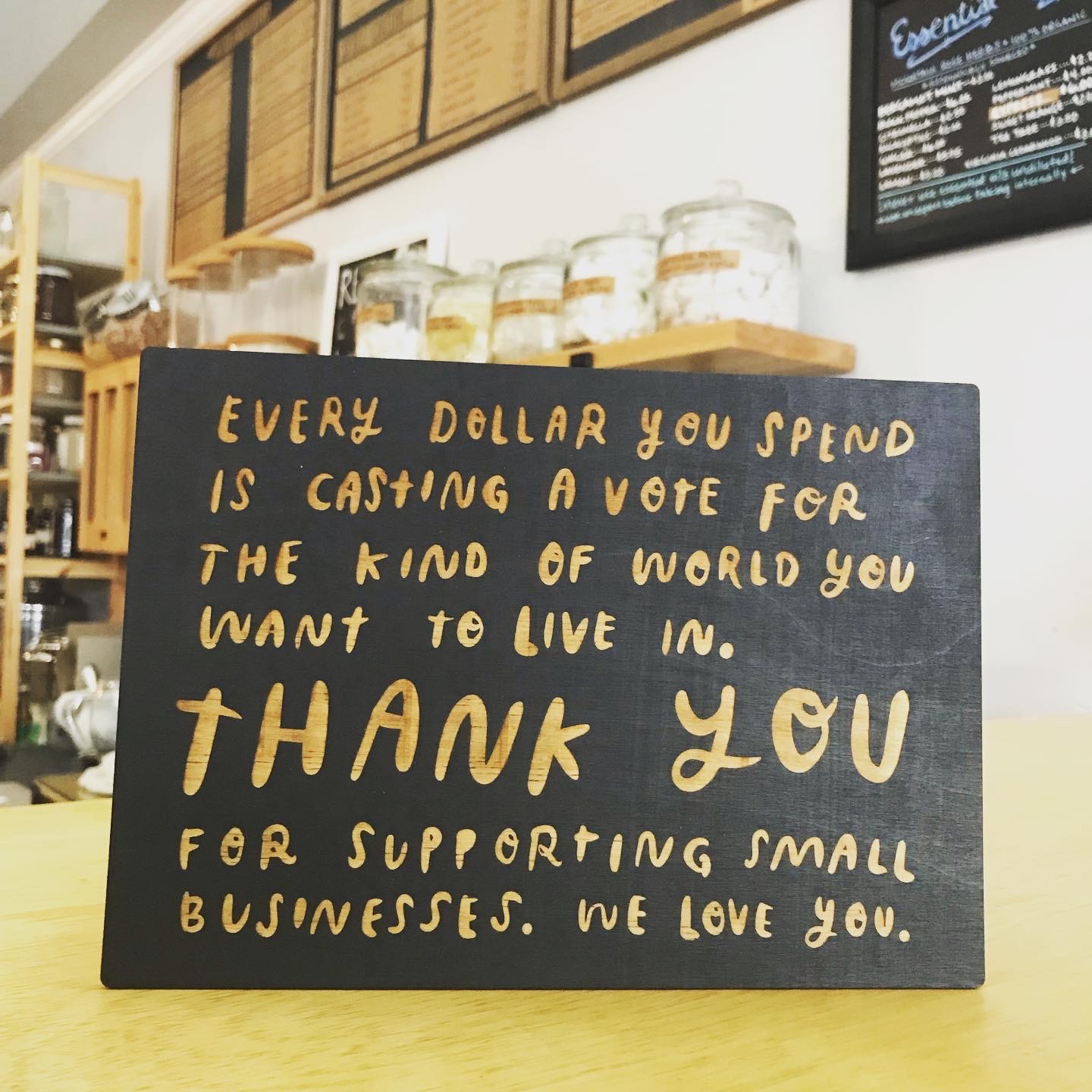
Ethical consumption is near impossible to achieve in this climate, but that only means we need to try harder. I aim to keep some of the burden off your shoulders here at Life Unplastic, but I encourage you to follow your instincts and make your own judgements. If you want to know more about a product we sell, we include blurbs about the brand they come from at the bottom of every description on the webstore. I also encourage you to use this checklist to research anything you buy. Remember – every dollar you spend is a vote for the world you want to live in. Make it count!

PS: Make sure to follow our Instagram for introductions to a few of our favorite brands!