The Refill Revolution

Being located in a college town means a portion of our customers are only here in Gainesville for a short time before heading off to conquer the world. Plus, just the general comings and goings means we get the question all the time: “Are there more Life Unplastics? Is there something like this in [insert town here]?”

We’re pretty confident there aren’t any other Life Unplastics, but there ARE similar low-waste businesses (aka zero waste shops and/or refilleries) that offer a different (and better!) way to consume your groceries and home goods. Actually, there are lots more across the United States with new ones opening all the time. You could say we’re in the midst of a kind of Refill Revolution, as more and more entrepreneurs get inspired to bring their version of a sustainable business model to their communities.

Refillery – A place where people can get their own containers refilled with household products and pantry staples in bulk, using a pay-by-weight system

The first true refillery in the USA was established in 2012, but the movement can be traced back to France in the early 2000s. The movement has only been growing since, and there is now estimated to be over 600 refilleries and bulk shops in the US, ranging from ‘self-service’ shops where you weigh and refill your own container to ‘full-service’ bulk bars (like ours!).

There are mobile refilleries that act almost like food trucks, some that have little cafes inside, some that sell only locally-produced small-batch products, and chains that have locations in multiple cities or states.

When arranging priorities, some focus solely on providing an eco-friendly option to the locals around them, zooming in on the community they can have the biggest impact on. Others go for across-the-board change by advocating for widespread lifestyle changes and environmental activism.

All are important for the zero-waste cause, and yet there are other reasons to refill as well!

Why Refill?

The pay-by-weight model has been around for ages, offering certain benefits that individually pre-packaged goods can’t provide. And modern eco-friendly refilleries only add to the list of reasons to refill:

  • You can customize the amount to your needs or budget – or both!
    When you’re paying by weight, you only pay for what is put inside your container. Which means you can get a few ounces of any product, as opposed to committing to the big jugs in a conventional grocery store. You can also make a few dollars stretch and pick up several different ingredients for an easy, nutritious dinner at a surprisingly low cost, compared to if you had to buy each ingredient in it’s pre-packed grocery store counterpart.
  • Reduce the amount of single-use plastic you throw away
    Of course, one of our main missions at Life Unplastic is to help you eliminate plastic, but all refilleries have a natural way of reducing single-use packaging by letting you refill the same container multiple times. At LU, we’ll happily refill your plastic bottles (no shame here!), which keeps them in the usage loop and out of the landfill.
  • Reduce the amount of single-use plastic WE throw away
    Refilleries often partner with their suppliers to make transactions more closed-loop. For example, we always make sure to give the empty buckets back to Resident Coffee when we get our delivery of freshly roasted beans, so they can take the containers back and fill them again. Just getting bulk products cuts down on packaging, and local bulk products are even better for the lack of shipping required!
  • Know exactly what you’re getting
    Packaging at the supermarket is made to grab your attention, maybe more than it’s made to actually provide information. Not only do you not pay for the advertising when you buy bulk refills, but you also don’t have to grapple with flashy buzzwords or greenwashing. Eco-conscious refilleries also tend to opt for clean, non-toxic, even single-ingredient formulas that exclude fragrances or other hidden ingredients.
  • Reduce your cognitive load
    Speaking of greenwashing, we battle that monster for you. All of our products are vetted to ensure that you’re getting high quality, clean, sustainable products from companies that are transparent and ambitious about their sustainability. We also curate a menu that pares down each category to our absolute favorites, so you have the freedom to choose without getting stuck in decision paralysis.
  • Slow down!
    It doesn’t add much time, but bringing your own containers certainly adds at least a small level of intention to what could otherwise become a mindless, consumerist chore. Many refilleries also boast a warm, local vibe that you can’t find at big box stores, and that extra human interaction may add a little time to your grocery shopping, but it also adds a lot of warmth to your day in an era of increasing isolation.

So How Do You Find More Refilleries?

There are a number of databases to help you find refilleries across the USA. Litterless breaks it down by state and city, and includes other zero-waste shops as well, Refill Directory is another list-format database that focuses on refilleries alone. For a map view, try scanning Dawna Mirante’s google maps guide. We’re proud to be featured among other change-makers on these lists!

If you see a blank spot on the map, and you feel so driven, consider opening your own refillery! You’d be filling a hole in a local economy, championing the environment, and joining a network of inspired entrepreneurs that come from a world of different backgrounds.

If you’re not the business-y type, but still want to learn more about the movement, we recommend reading these articles:
https://tastecooking.com/the-refillery-is-coming-for-your-grocery-store-routine/
https://wastingwell.wordpress.com/2024/12/17/the-scoop-on-refilleries/#_edn5
https://www.greenwashingindex.com/refillery-revolution/

Thank you for staying informed, for supporting environmental movements, and for eco-chatting with us!

You Should Give Making ‘Milk’ Another Shot

Dairy free milk has been on the rise for years now, beloved by vegans, lactose intolerants, and beverage connoisseurs alike. Many buy it by the gallon at supermarkets, while there are still those of us who drag our feet. We say “Almond milk is fine, but is it really that important to break the dairy habit?” or “Oat milk is okay, but the one I tried that one time wasn’t that good.”

We’re here to say: give alternative milks another shot. And while you’re at it, go ahead and make your own from home.

Why? Because when you make your own milk, you can customize the flavor by adding whatever you’d like (see the oat milk recipe below for some ideas), and you don’t need to buy a whole new jug to try out a flavor you haven’t had before.

Also, the process as a whole is cheaper, because you can use filtered water or tap water and buy your oats in bulk, so you spend just cents on each quart of oat milk you make.

Lastly, making your own milk is more sustainable than buying store-bought, even if you already avoid dairy (which is one of the leading agricultural sources of pollution in the US). While store-bought oat or nut milk is also vegan, cruelty-free, and better for the environment than dairy milk, making your own at home shrinks your carbon footprint that much more.

Simple Oat Milk Recipe

First, you need supplies:
a nut milk bag (or even a clean t-shirt will work in a pinch!),
a high-speed blender,
an air-tight jar to store your finished product in,
and of course, your oats and water.

Simply blend 1 cup rolled oats and 4 cups water in a blender for a little under a minute (over-blending can result in less creamy milk). You can also add honey, salt, dates, cinnamon, cocoa powder, or vanilla extract when blending for any additional flavor that you would like. When you’re finished blending (it should not be smooth at this point!) pour the resulting liquid into a nut milk bag to sort out the pulp. Straining twice can help remove excess starch that would make the milk seem slimy. The resulting pulp can be composted at home.

Your oat milk will last about 5 days in the fridge before it, too, can be returned to the soil (if there’s any left!). Then you make a new batch and enjoy it all over again! Since you bought your oats in bulk, this doesn’t mean another trip to the store, which cuts down on your spending and your emissions – all the better for you and the planet!

Making oat milk at home is quick, affordable, and surprisingly satisfying. With just a handful of ingredients and a blender, you can skip the additives, reduce packaging waste, and enjoy a fresher taste than anything store-bought.

Ways to Avoid Microplastics

The word “microplastic” makes it sound like a small problem. In reality, it’s anything but. These tiny bits of plastic (smaller than 5mm) often aren’t perceptible to the human eye, yet scientists have found them everywhere. In our food, our water, the air we breath, and increasingly, in our bodies.

Research is still catching up, but early findings point to risks for our health as microplastics continue to accumulate in our environment and in us.

While the science continues, there are steps we can take right now to limit exposure:

Avoid Eating Microplastics
  • Don’t microwave food in plastic. Heat causes plastics to release BPA, phthalates, and microplastics into your food. Use glass or ceramic instead.
  • Skip plastic food storage. Opt for stainless steel, glass, or paper to reduce the risk of microplastics seeping into your food before you consume it.
  • Use bamboo or wood cutting boards. They last longer, look beautiful, keep your knives sharper, and won’t shed harmful particles into your food.
Avoid Drinking Microplastics
  • Don’t drink from plastic water bottles. Choose reusable steel or glass bottles and stick to tap water when you can.
  • Use an NSF-certified water filter. Many options on the market still contain a little plastic (isn’t it ironic), but they cut back on contamination. For a zero-plastic option, try these activated charcoal sticks.
  • Go loose leaf. A lot of tea bags are made of plastic, and even the tea bags made of paper may have plastics in the glue holding them together. When plastic gets hot (like when it’s exposed to boiling water), it releases microplastics and harmful chemicals.
  • Bring your own cup or mug. Paper takeout cups are coated in sythetic wax, making them unrecyclable, and releasing microplastics into your drink, which then gets into your digestive system.
Avoid Microplastics at Home
  • Wash plastic containers by hand. Dishwashers get very hot to help kill germs, but that heat can also… say it with me now: release microplastics.
  • Control dust. Some dust is just dead skin or pet hair, but some could be particulates from the plastic that gets used in everyday life. Use a damp cloth or some all-purpose cleaning spray when cleaning surfaces to avoid kicking the dust right back up into the air.
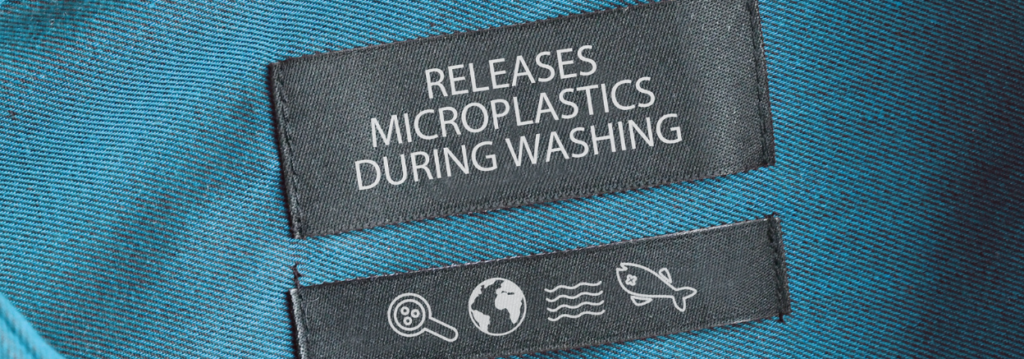
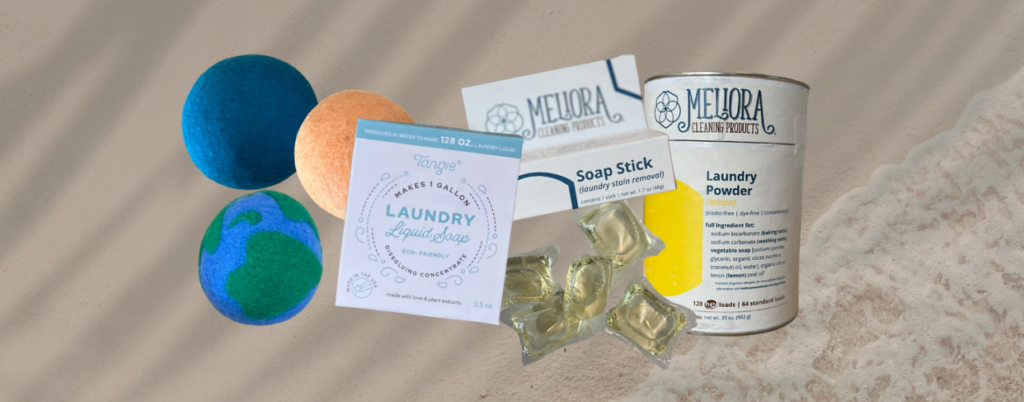
  • Opt for natural fibers. Organic cotton, linen, hemp, or wool, don’t shed synthetic microfibers in your wastewater when you do laundry. You can also install a filter or get something to put in your machine that will sort out the plastics and prevent them from going into your greywater system.
Most Importantly:
Support legislation, policy changes, and social movements that aim to reduce single-use plastics.

You are a brave and vigilant environmentalist who stays on top of your own impact on the earth, but not everyone has the ability to do so. Similarly, not everyone can use these tips to protect themselves from excess microplastic exposure, and they shouldn’t have to (and neither should you!)

Fighting for systematic change in plastic use is probably the single most important way that we can reduce microplastics in our lives and the lives of people all over the world.

Vive la révolution!

Sources:
https://oceanservice.noaa.gov/facts/microplastics.html
https://www.ucsf.edu/news/2024/02/427161/how-to-limit-microplastics-dangers
https://www.nytimes.com/wirecutter/reviews/how-to-avoid-eating-microplastics
https://www.ecowatch.com/avoid-microplastics-at-home-2655282616.html
https://www.ecowatch.com/plastic-container-health-risk-2653620879.html