Spring RETHINKing: What to do with that stuff!

Spring cleaning is the beautiful tradition of opening ourselves up to change by clearing out our space, letting go of what is no longer serving us, and it’s often a much-needed reset.

But our stuff doesn’t stop being our responsibility just because we’re done with it. Keeping items in circulation takes a bit more effort, but it’s an effort worth making. And once you know your options, it becomes much easier. Most of what ends up in that “get rid of” pile isn’t inherently trash; it just needs a new home.

This spring, try not just cleaning or purging, but rethinking.

If you’re in the stage where you’ve realized that deciding TO get rid of this stuff was easy, but now you need to decide HOW to get rid of it… we’ve got you.

Below is our hyperlocal guide to how to deal with different things that are no longer serving you. Remember, our goal is always to keep that loop as closed as possible – if it can be reused or repurposed, reuse or repurpose it!

Our Sustainable GNV tab has a list of some sustainable resources right here in Gainesville: local businesses where you can get items mended, shop secondhand, and help out your community. This blog post contains some of the same resources, plus extra links to recycling programs, donation centers, and some online resources that aren’t exactly local, but still definitely useful!


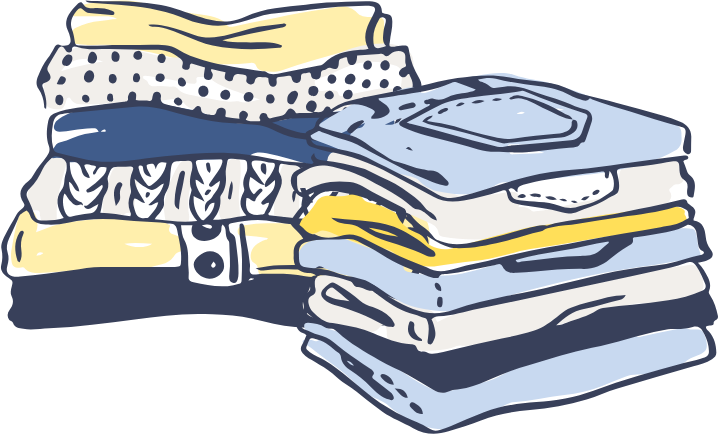
What do I do with unwanted clothes?

Repair, alter, or mend them:

  • Check out our list of local alteration/mending businesses here.

Sell to consignment stores:

Donate to local thrifts:

  • Try to opt for locally-owned thrifts over dropping items at Goodwill or Salvation Army. Those big corporations are never without donations, and many sadly end up going to the landfill.
  • Check out our list of secondhand shops in Gainesville here.

Recycle them:

  • H&M in the Oaks Mall has a textile recycling program.
  • You can order a “take-back bag” from trashie.io, fill it with old clothes and fabric, and they’ll recycle it for you.

What about extra hangers?

What do I do with unwanted shoes?

Repair them:

  • Gator Shoe Repair and Flick of the Wrist Shoe Repair are good options
  • Some cobblers even have trade-in programs or are willing to buy good quality dress shoes

Donate them:

  • Soles4Souls will donate or recycle shoes that you drop off at their participating stores (DSW on Archer Road
  • Various local thrifts – try small businesses before going to corporations like Goodwill or Salvation ArmyDonate them:

Recycle them:

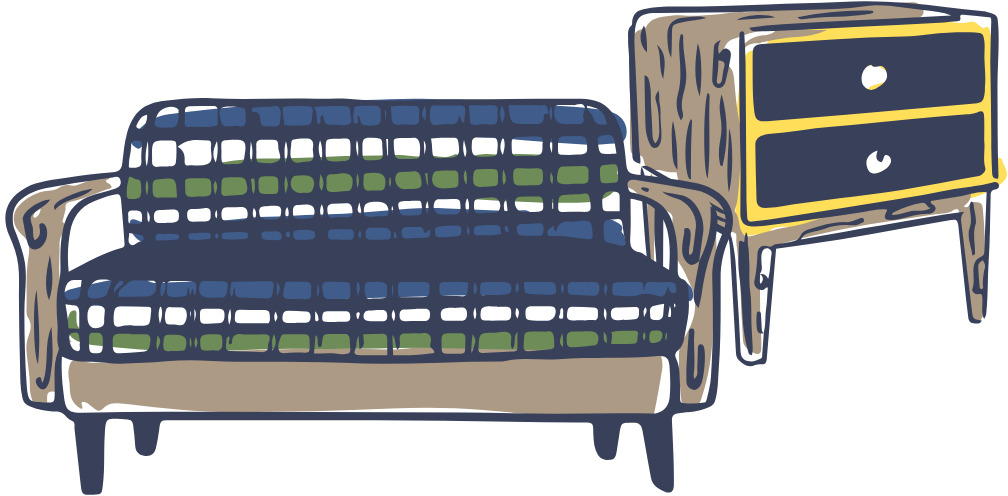
What do I do with unwanted furniture?

Repair or reupholster it:

  • Check out our list of furniture repair/upholstery businesses here.

Sell or gift it:

Donate it:

Recycle it:

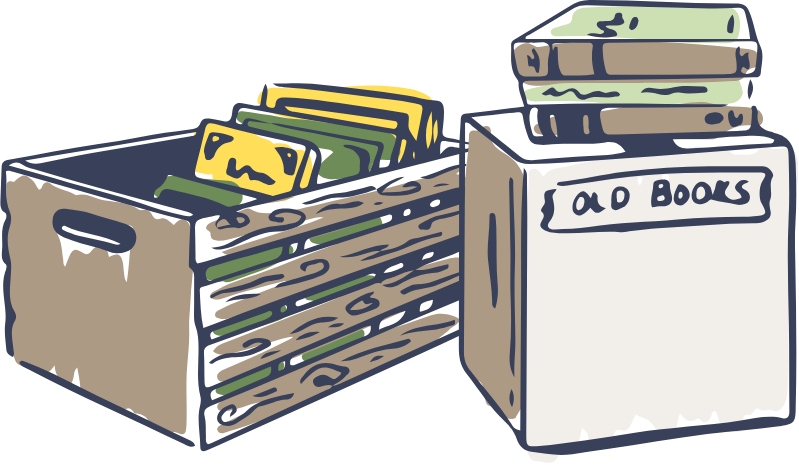
What do I do with unwanted books?

Sell them or trade them in for new ones:

Donate them:

Recycle them:

  • Paperbacks (not laminated) can be recycled curbside in your orange bin.
  • Or drop them off at your closest rural collection center.
What do I do with unwanted office or art supplies?
Reuse them:

  • Check online for creative ways to use supplies or scraps you already have!
  • Get a bag from Retold and send them your fabric scraps for reworking into rags, insulation, and more!
What do I do with unwanted electronics?

Sell it or trade it in:

Donate it:

  • Friends of the Library accepts audio equipment, records, and more!
  • Various local thrifts accept countertop appliances, lamps, and similar portable technology in WORKING condition

Recycle it:


Remember to call ahead or check online to make sure a place is currently accepting the items you wish to donate. Life Unplastic is not the expert on other local businesses’ policies, only they can tell you that!

If you don’t know what to do with an item, or you don’t see it listed here, visit the Zero Waste Wizard! That handy tool will tell you exactly where in Gainesville you can donate or recycle your household items!

Thank you for taking the time to dispose of your stuff the right way! Every little step is important to reaching a circular society where items don’t have to go to waste.

Psst… if you’re interested in not having to do this again anytime soon, may we suggest trying out a Low Buy 2026 Challenge? The first ‘r’ is reduce, after all!
Low Buy 2026: Project Pan

We’re challenging ourselves (and you!) to buy less this year.

But low-buy isn’t just about saying “no” to new purchases. It’s also about learning how to fully appreciate, and fully use, what we already have.

In a culture that constantly pushes the next best thing, finishing what we already own can feel almost radical, but there’s a whole corner of the internet doing exactly that. It’s called “Project Pan”.

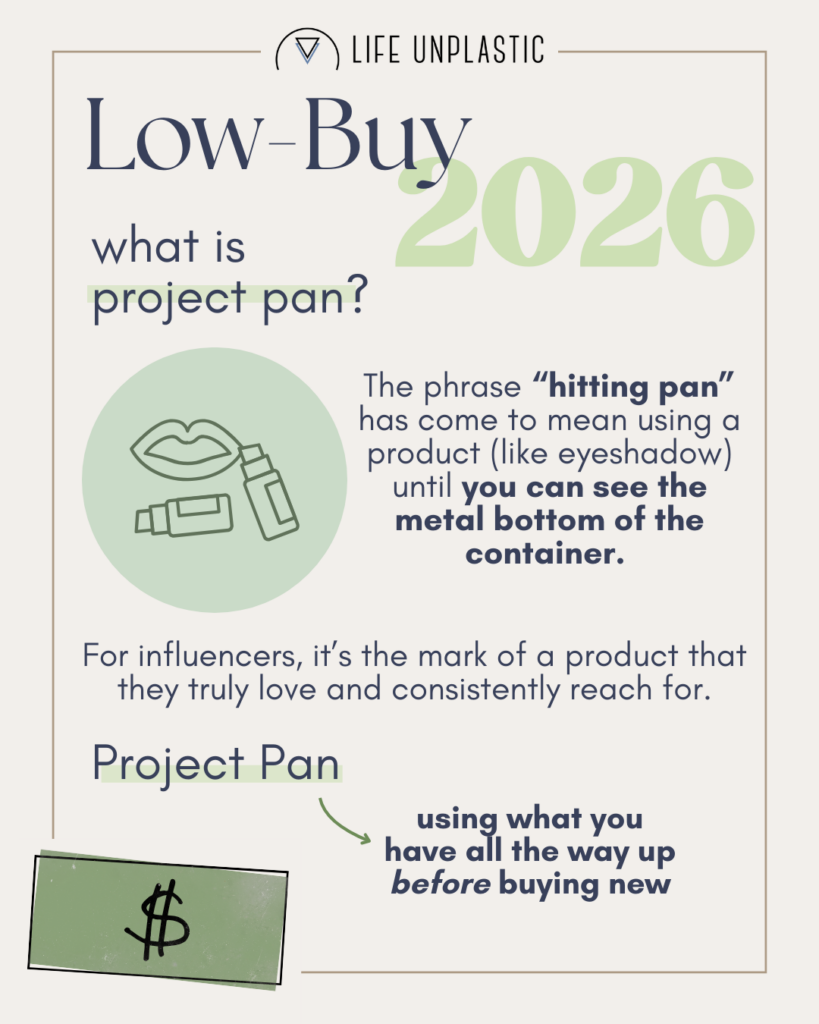
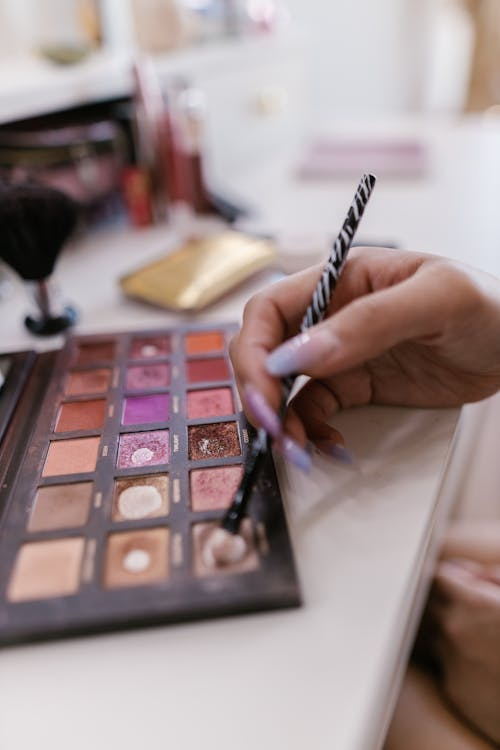
“Hitting pan” on a beauty product, usually eyeshadows or pressed powders, means using it until you can see the bottom of the container.

Which — and I think most of us can relate — is kinda hard to do! Just think of the last time you finished a lip balm.

That’s why hitting pan is almost a badge of honor in the beauty world. When influencers show a palette with the silver peeking through, they’re letting us know: this is the one I keep reaching for, the product that has earned its place.

“Project Pan,” then, is simply the commitment of using your products all the way up before buying new ones.

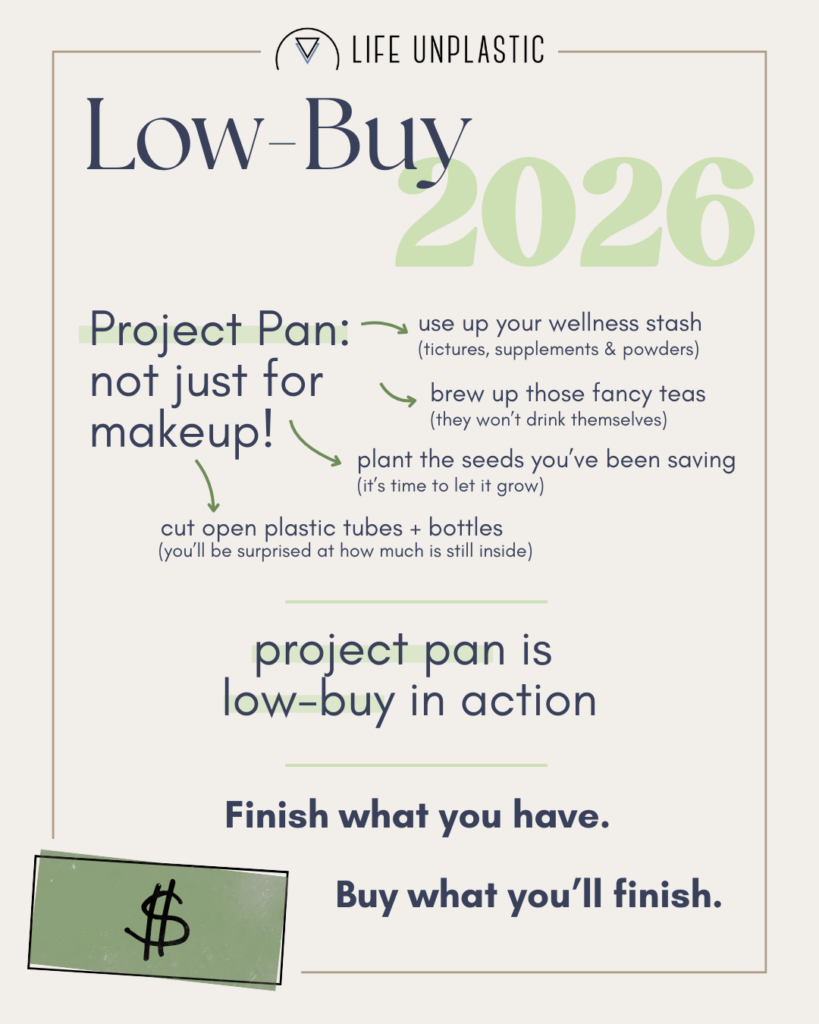
So we are taking the challenge from eyeshadow palettes and bronzers, to moisturizers, toners, mascara, and everything in between. The point is to get as much use as you possibly can out of what you already have, without wasting a bit.

The flip side? Only buying products that you know you’ll use up.

That funky purple eyeliner might be trending, but can you see yourself using it often? If not, maybe experiment with items you already own.

Using something up entirely before moving on may seem obvious, but when you make it intentional, your habits change. Project Pan subtly shifts your mindset from novelty to selective. From the collector to the completor. There’s the quiet satisfaction of scraping the last bit out of the jar. Perks also include keeping your money in your bank account and not fueling a billionaire’s yacht.


If you missed the first post in our Low Buy 2026 series, you can read it here. You can also follow along on our Instagram (@unplasticgnv) as we talk more about experimenting with ways to buy less and waste less in the year 2026 and beyond!

Low-Buy 2026: An Experiment in Buying Less

This year, let’s challenge ourselves to buy less.

Maybe it’s just the algorithm, but “Low Buy” and “No Buy” seem to be everywhere lately, as more people grow tired of the modern consumer-or-bust lifestyle, start saying, “no, I don’t need that” and take back a little control over their money, time, and space.

A Low Buy Challenge is simply about cutting back on (at least one area of) consumption for a set amount of time.

In 2026, we are inviting you to engage in this consumption experiment with us:

What happens if we reduce unnecessary spending?

Do we experience less decision fatigue?

Do we have less trash each week?

Do we start appreciating what we already own a little more?

We’ll certainly save money, and with rising costs everywhere you look, that could be reason enough.

You don’t have to deprive yourself, or pressure yourself to be perfect to be successful with a no- or low-buy. It’s more about challenging your resourcefulness, and realizing how consumption shows up in your life and what you want that to look like.

Getting Started:

Step 1: Finding your WHY

Overconsumption has become so normalized, that we don’t even realize how constant the marketing pressure is. We’ve gone from being exposed to about 500 ads per day in the 1970s, to as many as 5,000 per day today. So in order to fight the constant barrage of advertisements, ignore the influencers, and relearn how to value what you already have, you’re going to need some motivation.

Before taking on the challenge of effectively reinventing your spending habits, it helps to understand why you want to try.

Ask yourself:

Do I want to save money or reduce financial stress?

Does clutter overwhelm me or make my space harder to enjoy?

Am I interested in reducing waste or living more intentionally?

Your why gives you something to fall back on when old habits start to seem like the better option.

Step 2: Track your consumption

There are different ways you could track your consumption. You will gain a lot of insight by looking at your budget, the things around your home, or even what’s ending up in your trash.

For example, maybe your budget reveals that takeout is taking a larger chunk of your budget than you realize, or that fashion is your kryptonite.

Step 3: Make your rules

The #1 rule is that you get to make all the rules and fully customize this challenge!

For example:

You could go essentials only and only spend money on bills and groceries.

You could commit to buying secondhand only, for clothing or home goods.

You could decide to wait 3 days to purchase anything, to reduce impulse buys.

Also, set yourself up for success by planning ahead for known needs, like a wedding outfit or birthday gifts, and consider your options for these special occasions. Can you rent, borrow, thrift, or make something instead of buying something new?

Step 4: Make it easier!

We live in a consumerist world and creating new habits is hard, so while it may seem counterintuitive, changing bits of your routine and creating small road blocks that make it harder to consume mindlessly, will actually make it easier to consume with intention.

Try these small adjustments:

Delete shopping apps from your phone
You can obviously still go to the website when you need a certain item, but we want to make browsing less automatic and purchasing (as necessary) more intentional.

Reduce ads where you can
Install an adblocker, reduce your screentime, unfollow influencers that are doing hauls/unboxing/selling products, and mute the tv when commericals are playing.

Delete saved payment info
Sometimes, it’s just too easy. By making online purchases take just a little bit more work, you could reduce a good chunk of impulse buys.

Replace “retail therapy” with..
There are plenty of ways to make life exciting and fulfilling without creating waste or feeding the corporate machine!

Challenge yourself to wear the clothes you don’t usually reach for

Rearrange your furniture

Go to the library
and borrow a book

Plan a trip, even if it’s just to the next town over

Try something new, like a new recipe

Get outside, go for a walk and talk to the trees


Remember, this is an experiment, meant to challenge your resourcefulness and teach you new things! If certain rules feel too restrictive, that’s still good info. Learning what doesn’t work for you is still progress. And progress over perfection is our thing!

We’ll continue to share low-buy tips and reflections throughout the year. Follow along on Instagram (@unplasticgnv) and check back on the Eco Chat for future posts.