The Dangers of Fast Fashion and Why People Are Obsessed with Thrifting

“Fast fashion”, “slow fashion”, “thrifting” and “capsule wardrobe” — all terms you’ll hear thrown around in conversations around sustainability, but commonly misunderstood. 

Most people don’t really understand what these terms mean, how big the problem actually is, and how easily you can implement sustainable solutions. I’m going to shed some light on fast fashion and how you can become part of the sustainable/slow fashion movement.


Fast Fashion vs Slow Fashion

Before you can understand why supporting slow fashion and sustainable shopping is important, it’s crucial to understand the difference between fast fashion vs slow fashion.

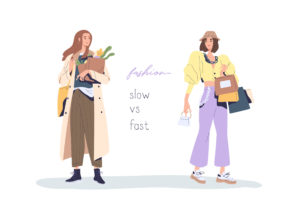
Illustration of two women, text reads: fashion slow vs fast
Fashion: Slow vs Fast

What is Fast Fashion? 

Fast fashion is the cheap, rapidly produced clothing that changes drastically from season-to-season to fit with current trends and styles. 

The term fast fashion first emerged in the 1990s with the start of inexpensive and stylish clothing companies like Zara, who mass-produce clothing with little regard for the environment. 

What is Slow Fashion? 

Slow fashion means quality, timeless clothing staples that a person can wear for many years to come.

Before the Industrial Revolution, people made their clothes by hand. Being pretty labor-intensive, they were made to last. And if you tore your pants, you would repair them, not purchase a new pair.

How Did Fast Fashion Start? 

Though the term emerged in the ‘90s, fast fashion began long before that. As factories gained technological advancements in machinery and production, clothes became easier and easier to manufacture. As new styles became easier to produce, fashion grew into a more prominent part of society. By the 1960s, fashion “seasons” emerged. Dressing with the new styles was a symbol of status – whether your clothes were expensive or not. 

Nowadays, fashion can change in the blink of a 10-second TikTok video. You can see how this is problematic.  


Why Fast Fashion Is a Problem

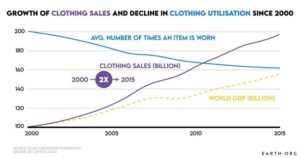
Fast fashion hasn’t just grown since the 1960s… it’s exploded

Just since the year 2000, clothing sales worldwide have more than doubled. Meanwhile, the average number of times we wear our clothes before throwing them out is rapidly dropping. 

This is a problem because textile manufacturing is not a sustainable industry. 

Here are just a few textile industry facts that are sure to make you cringe: 

  • Fast fashion is responsible for more CO2 emissions than airplane and maritime transportation combined. 
  • 20% of global wastewater is the result of textile dyeing
  • Manufacturing a single cotton shirt requires the same amount of emissions as driving a car for 35 miles. 
  • 80% of clothing ends up in a landfill or gets incinerated at the end of its short life.

And unfortunately, that’s just the beginning. 

Fast fashion is also responsible for horrific working conditions and disastrous environmental damage to the local regions of production facilities. 

See, in order for these articles of clothing to be sold as cheaply as they are, they’re produced in countries with less regulations. Without ethical or environmental production regulations, the wages and working conditions of the factory workers are abysmal. The factories also cut corners by dumping toxic waste into rivers and seas rather than collecting and sending it to treatment plants. 

These factory conditions are so bad that in 2013 a multi-factory building in Bangladesh unexpectedly collapsed, killing over 1,100 workers and injuring 2,500 more. 

This is why boycotting fast fashion and buying fair-trade, sustainable products is so important. 


Why Thrifting Is More Sustainable

Consider a pair of jeans: it takes 1,800 gallons of water to grow the cotton to make a single pair of jeans. (I know, it’s pretty mind-boggling, but it turns out cotton is a seriously thirsty crop.) Aside from growing the cotton, then you have to consider all the water it takes to wash the cotton, dye the jeans, and rinse out the excess dye.

Experts estimate it actually takes over 9,000 gallons of water to make a pair of jeans. 

So let’s break it down. 

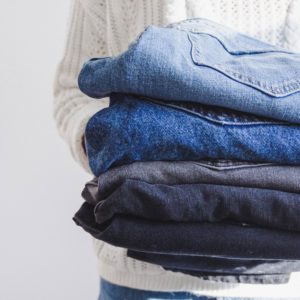
Close up stack of folded jeans being held by a person in a white sweater.
Photo by Maude Frédérique Lavoie on Unsplash

If you wear those jeans 3x per week for 2 years, that’s 312 wears. Or, 28 gallons of water consumed for every day you wore them. 

If you extend the life of those jeans by two more years — that number drops to 14 gallons per day. Thrifting is one of the easiest ways to support slow fashion.

When you thrift or buy used clothes, you give a second life to something that otherwise would have ended up in a landfill. Even using a thrifted pair of jeans for a few more years saves massive amounts of carbon footprint by spreading out the resources used to create that item.

Video featuring Sustainable Jeans Hack (tiktok @bug318_): Thrifted jeans a size too small? Shower in them (or sit in the tub with them on) and then let them air dry. Voila!


The Potential Pitfalls of Thrifting

One word of warning: Although thrift shopping IS more sustainable than shopping from fast fashion brands, there is another side to this coin. 

Because thrift items are cheap, we have a tendency to buy more than we need. We think, “I’m not sure about the ruffles on this shirt, but heck — it’s $2. I’ll just get it and I can always donate it back if I don’t wear it.” 

And while you might think you’re giving it a second life — if you literally never wear it, all you’ve done is provide an air-conditioned safe for it to sit in. Instead, leave it on the rack for someone who will love it, and choose items and clothes that bring you real joy. You know, the Marie Kondo way. 

When you reduce the number of clothes you own, you’ll also wear the clothes you do have more often, giving them the full lifespan they deserve. This is the idea behind a capsule wardrobe. It’s a minimalist approach that gives you everything you need in one small, neat closet. 

Neutral clothes with letterboard sign that reads: Fast fashion doesn't go with my outfit.

Also, don’t forget that when you shop new from a sustainable store, you’re supporting that business and voting with your money. So it’s not the end of the world if you don’t buy everything used. 

It’s all about balance and moderation. You don’t want to swing too far in one direction or the other. 


Other Easy Ways to Extend the Life of Your Clothes

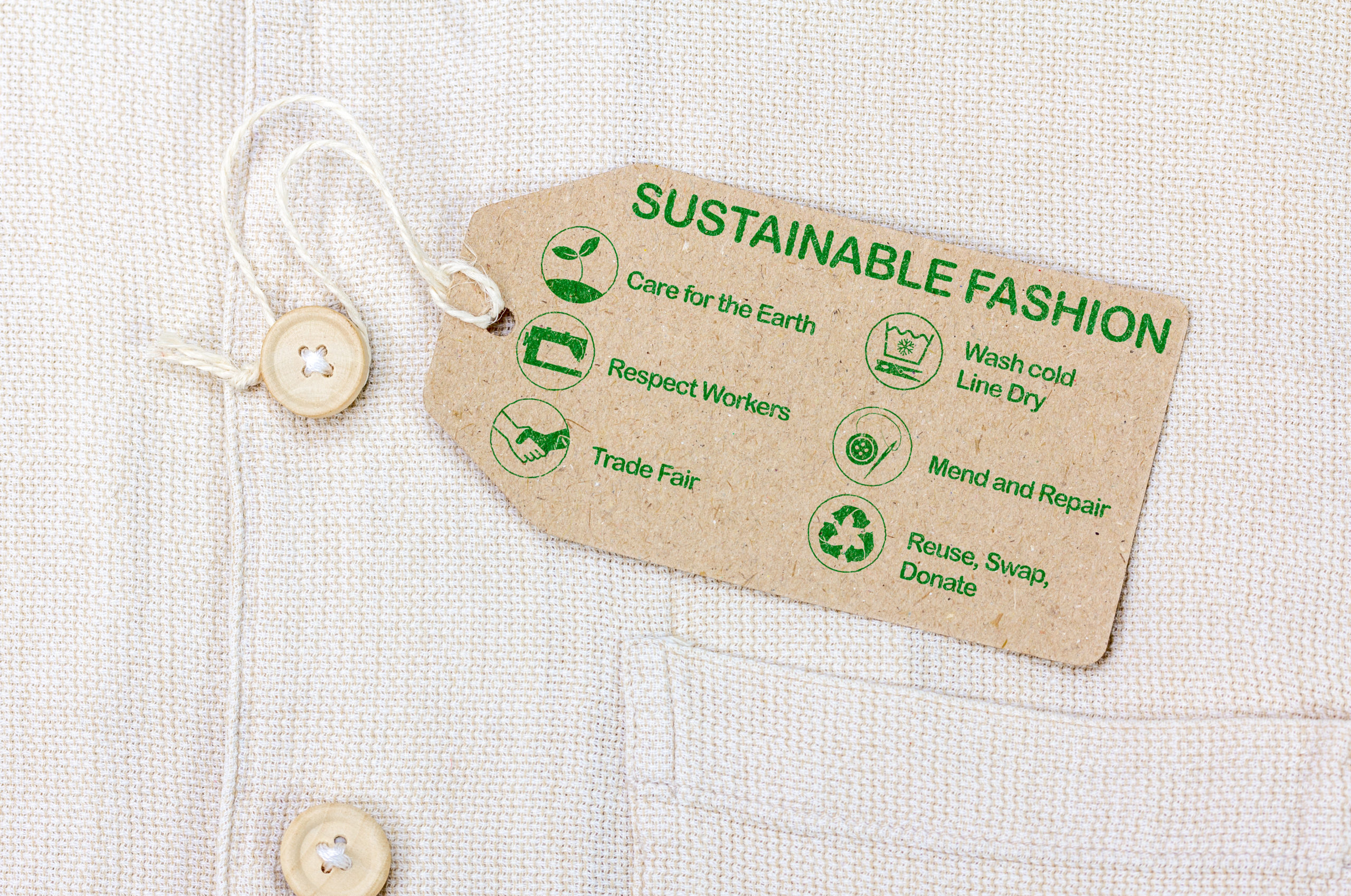
Of course, thrifting and buying sustainable clothing isn’t the only way to make your closet more sustainable. Here are a few very easy ways to extend the life of your wardrobe right now: 

  • Learn simple mending techniques. 
    • Visible mending is a whole vibe!
  • Rewear your items before washing them.
    • If they aren’t dirty, don’t wash them. This will save energy and water from the wash cycle, but it also preserves the quality of your clothes. Plus it’s just some made-up rule from the textile giants that we’re supposed to wash our clothes after a single wear. And it wasn’t until very recently that society adopted that habit.
  • Wash your clothes on the cold cycle.
    •  This will both save energy and preserve your clothes. 
  • Skip the dryer and hang dry your clothes. 
    • The dryer is the most detrimental part of our laundry process. It is very harmful to your clothes (and I don’t just mean the accidental shrinkage!) 
    • There’s a reason all your delicate clothes tell you to air dry. The dryer actually breaks apart the fibers in your clothes and is the main cause of wear. And you don’t have to hang dry your clothes every time. 
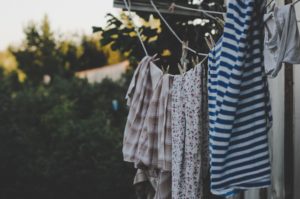
A few garments hanging outside on a clothesline. Background shows a tree and some bushes with soft golden hour light.
Photo by Daniel Spase on Unsplash

All this to also add that I often feel like a broken record when I say this but, progress, not perfection, remember? Doing these things some of the time still counts and it helps!

Remember, education is power. I didn’t write this blog to make you feel guilty about your closet right now. Ten years ago, I didn’t know any of this!

I write it to help open the conversation. To inform intelligent, caring people about the issues they might not have heard about so they can keep moving toward a life that aligns with their values — because we’re all a work in progress 

If you learned something new, share this post with a friend! By sharing the knowledge we gain, we can make an even bigger impact on the environment, world and beyond. 


Sources: 

  1. https://earth.org/data_visualization/the-9-biggest-fast-fashion-statistics/
  2. https://www.cnn.com/interactive/2020/09/style/fashion-in-numbers-sept/

How to Start a Sustainable Garden

One of our 2022 Eco Mini-Challenges is to start your own garden because growing your own food is a great way to be more sustainable.

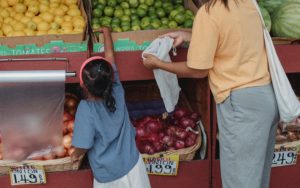
From a waste perspective so much of our food, especially fresh produce, is  packaged with petroleum based, single-use plastics. From the little stickers, to bags, to individually wrapped items, to unrecycleable clamshells for spring mix, and on and on and on and on. 

Woman with empty shopping cart in produce section of grocery store. Most items are packaged in plastic.
These days so much of our food is wrapped in petro-based plastics.

Gardening also connects you with your food, your farmer, and the earth. All wonderful and rewarding things, but for a lot of people it seems like a massive, overwhelming task. 

Just remember, it doesn’t have to be. If it’s intimidating, start small. See what works one year, then build on that the next year. 

herbs in pots on a table
Image by congerdesign from Pixabay

I’ll be honest, I’m an extremely novice gardener. But I have been learning a lot about permaculture recently and now, of course, that’s what I want. It’s what I must have. Like many of you, I’m also extremely busy with general life things and frankly, I want to relax when I get downtime (do hobbies sometimes feel like more work to you too?), so what I really want is a food-producing permaculture space in my backyard that will be relatively low maintenance in the long run. 

Side Note: One big source of lazy gardener inspiration this year was Chapter 17 entitled Double the Food with One Tenth of the Effort in the book “Building a Better World in Your Backyard Instead of Being Angry at Bad Guys” by Paul Wheaton and Shawn Klassen-Koop. Chapter subtitles include:

        • Transplanting? That’s Unnecessary Work
        • Prepping the Soil to Not Need Prepping
        • Planting Once and Harvesting for Years
        • Mulching 2.0: Being Naked is No Longer Required!
        • 3D Gardening – Big Berms Bring Big Benefits
        • How Trees Nurture Gardens, Cool Your Home, Heat Your Home, and Save the World
        • Replacing Fertilizer with Polyculture
        • Monocrops Need Pest Control; Nature Doesn’t

This is my kind of gardening, for sure. Anyway, I thought I’d collect some of that information here for you, and speak a bit about my own venture and experience so you can experiment with a garden for yourself!

Step One: Start with a Plan

Planning really is the crux of starting a garden. You need to know what plants you’re going to attempt growing, and when they need to be seeded or put into the ground. 

In Florida we’re lucky to have a little more leeway with our weather, but if you live further north this part is crucial. Plant too early and a hard frost will kill all your babies. Plant too late and you won’t get to harvest before the weather turns frosty again. 

In general, you probably need to start sooner than you think. 

Determine Your Gardening Space

The very first step is deciding how big you’re going to go. If it’s your very first time, try a container garden (meaning all of your plants will be in large pots.) 

The advantage of a container garden is that it’s very impermanent. You can set out as many or as few pots as you’d like and you have the ability to move them around to find the best places in your yard or on the porch. 

You can usually find a lot of secondhand pots on online marketplaces like Craigslist or Facebook Marketplace. And if you’re in Gainesville check out the Repurpose Project for pots. 

If you’re thinking of going bigger, be sure you know whether your garden will be in direct sun all day or if it gets more shade. 

You’ll also want to make sure wherever you garden can be reached by a hose, and won’t be disturbed by pets or small children. 

Select What Plants You’ll Grow

Now look at your options. 

One big thing to consider is what do you like eating? Some novice gardeners grow peas because someone said they were easy, but they don’t even like peas. Don’t do that. 

Think about your favorite vegetables and herbs and select a number of them that match your garden conditions. 

Then check out the recommended planting times for each of your selections and mark them on your calendar. 

In Gainesville, we have a wonderful resource in UF IFAS and I did most of my research for my little beginner garden on their website.

screengrab of UF IFAS Gardening Solutions website
https://gardeningsolutions.ifas.ufl.edu/

One warning to keep in mind: If you grow a lot of only one type of plant, say tomatoes, you’re likely to attract pests that will set up camp and gorge themselves on your poor tomatoes all season long. 

To avoid this sad fate, try to plant a variety (called polyculture gardening) and consider mixing in flowers like marigolds and sunflowers that will deter certain insects and attract others that you want.

I went for tomato, roselle, arugula, cucumber, carrots, and potatoes for my main garden. Then threw some shade-loving seeds down around our sweet gum tree — basil, garlic chive, butterfly weed, thyme. And I plan to start more seeds soon for watermelon, cow peas, sunflowers and other pollinators in other parts of the yard now that it’s warmed up. 

Before and after comparison of a typical single family home and front yard to a biodeverse permaculture garden
Garden Goals: In 4 years couple creates biodiverse permaculture garden with 160 varieties of plants that provide food, medicine, habitat for wildlife, pollinator plants, holds water, captures carbon, reduces heat & it’s low effort.

Step 2: Gather Supplies

I already had some seeds and ordered a bunch of others from Working Food (a Gainesville non-profit), but anyone can find seeds at nurseries, ag stores, and/or local “seed exchanges”. 

Also, don’t discount all the seeds you already have access to! Most of the food you buy at the grocery store is full of viable seeds that can be planted (especially if you buy organic, non-gmo). 

Learn how to Grow Fruits & Vegetables from Food Scraps! – EatingWell

I cut open a few tomatoes and used the seeds from them. I also used a few old red potatoes that had sprouted and they’re the happiest thing in my garden right now! 

You’ll also want to make sure you have the gardening essentials: gloves, trowel, watering can, hose, pots, grow lamp. Keep in mind most of these items are available at second hand stores, Facebook Marketplace, Craigslist, or you might get lucky in your Buy Nothing group. Locally, we have The Repurpose Project (what an absolute treasure of a place, we are very lucky!). The point is to always repurpose and buy used when you can.

Step 3: Plant Your Seeds or Starters

If you’re starting from seeds, you’ll need to start them indoors. You could buy starter cups, but I think it’s more fun to repurpose things you may already have like cardboard egg cartons or even avocado skins. So many things would work, use your imagination! 

The newly planted seeds need to stay moist and get good light, so this typically means covering with a clear top after watering and providing a grow lamp during daytime hours. 

If you know you’ll have trouble remembering to turn the light on and off, you can buy a circuit timer that will do it for you. 

Harden Your Plants

This is one of those steps that requires some experimentation, and in fact isn’t always necessary. 

Basically your new baby plants have had a good life so far and they are therefore delicate and soft. That means they aren’t quite ready for the full harshness of the elements. If you buy seedlings from a nursery, this is also true. 

Set them out for a few hours a day, or for longer in a more protected area like a screened porch. You want to do this for several days to a week. 

Then they’re ready to be planted!

Plant Your Seedlings

If you want to avoid the plastic bags, but need garden soil and mulch, look for a local business in your area that sells it in bulk.

a rake in soil
Image by Dean Moriarty from Pixabay

In Gainesville, we get soil from a place called Gaston Mulch and Soil and add a mineral soil booster and organic fertilizer. My husband has a pickup truck and can haul one yard in it, but they also offer delivery!  (up to 10 yards at a time)

We go pick up our soil, unload it into a pile in the backyard and then we have it to use as we keep adding to the garden. So far we’ve ordered two yards, but I think I might be ready for a third.

I didn’t spend a lot of time prepping my yard. Basically, I lightly tilled the area where I wanted my “rows” with a shovel, but I did not have grass there. If you DO have grass I would recommend laying down cardboard first, then the dirt. 

If you’re looking for a “lazier” setup (like me!), lay mulch between your plant rows to reduce the amount of weeding you’ll need to do.

I was able to “mulch” around the rows with pine straw from my front yard (we NEVER bag it, we just blow it all together around the trees and bushes lining the house, so it’s pretty great free mulch now), but again, look for a bulk supplier nearby! 

Step 4: Maintaining Your Garden

When your plants are little you still want to protect them from harsh weather. If there are freezing temperatures or storms, try to cover your plants. 

We were expecting some nasty thunderstorms recently, so I covered the little seedlings I was worried about with my jar collection. Bonus that the jars double as a quasi-greenhouse!

13 Tips for Plastic Free Gardening on the Cheap – Zero Waste Chef

Throughout the season you’ll want to water your plants in the morning, before the sun is too high in the sky. If you water midday you risk burning your plants, or having the water evaporate before your plants get as much as they need. If you water at night, you risk leaving too much moisture for too long and developing root rot or fungus and mold. 

Adding a rain barrel is a great way to reduce your rain consumption (and something I will be setting up soon!) You can also save water from boiling vegetables or noodles and feed it to your plants for some extra nutrients. 

And you can use your compost “tea” as fertilizer! (Mmm, right? 😉) 

Keep an eye out for bugs. But remember not all bugs are bad. Predator insects like praying mantises, spiders, soldier beetles, and ladybugs will actually help protect your garden by eating the bad bugs like aphids. Remember, if nothing is nibbling at your garden (because of pesticides), you’re not truly part of the ecosystem. 

Yellow garden sign with script-styled blue print.
If something is not eating your plants, then your garden is not part of the ecosystem.

Reap the Harvest

Basket of beautiful fresh produce: lettuce, tomato, bell pepper, beets, and other root vegetables.

Finally, enjoy your fresh herbs and vegetables! 

This is really the best part, so be sure to savor your hard work. 

And if you do have garden success this year be sure to share it with us! Tag us on Instagram @unplasticgnv.


Zero Waste Week 2022

Zero Waste Week is January 23 – 29, 2022!

It’s hard to believe, but Zero Waste Week 2022 is upon us! It kicked off today and goes throughout the week til Saturday, January 29th. 

To our local Gainesville, FL residents: Zero Waste Week will include both in person and online events. We are always looking for ways to involve more residents and can’t wait to celebrate sustainability with you. 

To our readers far and wide: Zero Waste Week isn’t just for local residents! Due to the pandemic we have moved much of the celebrations online, and you can join in the fun! 


Haven’t heard of Zero Waste Week?

If you haven’t heard of Gainesville’s Zero Waste Week, it is a collaborative event focusing on policy and lifestyle choices that will further a sustainable, waste-free future for our beautiful city. 

Zero Waste Gainesville (a community-led initiative) is devoted to education and awareness, as well as policy change that will protect our environment while having a positive impact on our collective health and economy. 

This year’s partners of Zero Waste Week (presented by Zero Waste Gainesville, The Repurpose Project, and Life Unplastic) include the City of Gainesville, Alachua County, Beaten Path Compost, Sierra Club Suwanee – St. Johns Group, We Are Neutral, NAACP Environmental and Climate Justice Committee, and Working Food.


This Year’s Festivities

First and foremost, if you want to stay up-to-date with information and join in the conversation, sign up for the Zero Waste Week newsletter by filling out this form. You’ll receive a newsletter each day of the week with information and action points on each eco-friendly topic.

In 2022, we will dive deep on the following topics: 

  • City of Gainesville’s Zero Waste Ordinance
  • Rescuing Edible Food
  • Reusables To-Go
  • Reuse and Repurpose
  • Composting

Check out content as it’s posted on zerowastegainesville.com under the tab: Zero Waste Week. 

And if you’re in town, check out this event: 

  • January 28: Clothing Swap and Art Installation at Reuse Planet (1540 NE Waldo Rd) – 5:00-8:00pm
  • All Week Long: Save 15% at Life Unplastic on all your eco-swaps and refills!

The Zero Waste Ordinance

If you’re reading this blog, it’s probably because you’re interested in doing your part for sustainability. But if you’ve been following me for any amount of time, you know that the most effective way to reduce waste is further up the waste cycle. 

That’s why policy is so important. We need to reduce and reuse first, then talk about recycling and waste management. In order for this to work, we need governments and businesses working together with the proper supply chains. 

That is why Zero Waste Gainesville focuses heavily on policy change. And in 2019, Gainesville took the first step by banning plastic straws and stirrers. 

Then in 2020, a subcommittee was formed to write up the first draft of the Zero Waste Ordinance. The resulting action plans will be rolled out over the coming years, but we encourage you to get involved and support the initiative to ensure our city continues its journey toward sustainability. Stay tuned with Zero Waste Week to learn more about how you can support the Zero Waste Ordinance. 

Next steps include: curbside compost collection for both private residences and businesses, curbing student move-out waste, and diverting grocery store and food vendor waste streams. 


What Zero Waste Week means to you: 

As a citizen, this is a great opportunity to get informed, get involved, and help move Gainesville in the direction you want to see it go. 

As a business owner, this the perfect opportunity to find out more about what a Zero Waste Ordinance would mean for your business.

“There is no such thing as ‘away’. When you throw something away, it must go somewhere.”

– Annie Leonard

Check out these Zero Waste Resources with guides to reducing waste in all aspects of your life, plus finding local thrift stores, and how to compost. 

And don’t forget to sign up for the Zero Waste Week daily newsletter!