Retail therapy is the cute nickname for coping with emotional distress by shopping.
if you feel like getting something new is the only way to solve your issues, you may be indulging in a consumerist impulse every time you add to cart.
A low buy challenge is about taking steps to curb our compulsions and reduce our waste from the start (remember reduce, reuse, recycle?). For many people, buying new things or even just constantly window shopping is a direct dopamine hit that feels good in the moment… but it may be impacting your life in the long run.
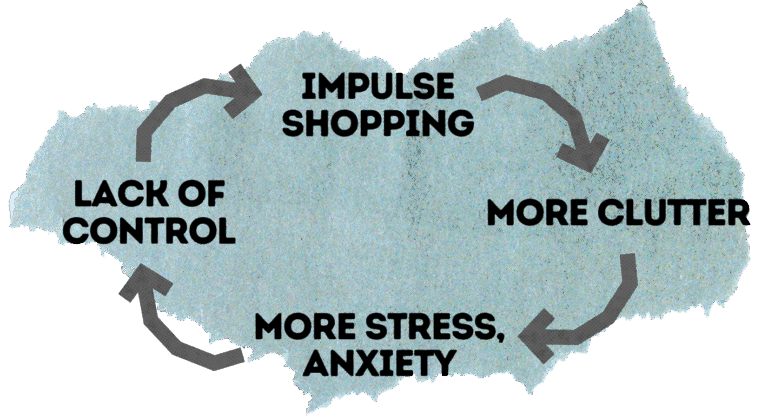
The USA is capitalism heaven; designed for consumerism socially and culturally as well as economically. The cycle of consumerism doesn’t show up by accident, either. Corporations are counting on it to keep raising their bottom line. You know the feeling: you feel out of control in your life, so you purchase something that promises to fix it, then you have so much clutter and debt that you feel stressed and anxious and out of control all over again, so you buy something else that’s supposed to help…
The truth is that brands sell you the idea of happiness, but no product will break you out of a cycle of overconsumption. If you find yourself in an endless loop of relying on retail therapy only to be let down, try replacing the retail therapy with something else, instead.
Dopamine is a hot word these days, and its role has become convoluted by viral pop psychology. The truth is that dopamine is a hormone that doles out feelings of motivation and reward, so when you’re getting dopamine hits from scrolling through short-form content or receiving packages in the mail every week, you’re feeling good because of the NEW-ness. It’s so natural to like a good ol’ refresh, but there are ways to get your fix without adding to the literal tons of trash that each American produces every year.
Breaking the Cycle

Declutter
If you’re overwhelmed by the stuff you already have, declutter before you buy anything else. A good rule of thumb while you’re starting your low-buy journey is to get rid of something every time you bring something new in. Donating items can also help remind you of just how much stuff already exists, filling the shelves of thrift stores and the mounds of landfills.
If you want more tips on decluttering sustainably, visit our Spring Rethinking Blog.
Turn Away From Triggers
Stop the cycle at “Impulse buys” by reducing triggers to buy new things.
Common triggers are sales and ads that ask you to move FAST, so it can never hurt to just take a break before you buy something, to make sure you really do want/need it.
Read our Outsmarting Overconsumption blog to get all the deets on defeating excellent marketing.

Get Dopamine Other Ways
Dopamine can be quickly administered by outside sources, or slowly achieved by your own effort. You can guess which one leads to longer-lasting warm-and-fuzzies (hint: it’s not the quick shots of it from short-form content or shopping sprees).
Quick dopamine comes from things like brand new stuff or watching a video of someone’s thrifting haul or their shower routine with expensive, specialized products. Slow, long-lasting fulfilling dopamine comes from things like making art, doing exercise, learning a new skill, and making new friends.
Dopamine is also known as the addiction hormone… so there’s truly no shame in finding it hard to switch from those quick hits to longer-lasting, more labor-intensive dopamine sources. So you can also get some nice in-between Goldilocks dopamine hits (relatively easy and quick, but still not the brain equivalent of empty calories) from things that feel brand new and exciting. Try rearranging your furniture or decor instead of buying a new trendy piece you keep seeing online. You can also go through your closet and “shop” for pieces you never reach for, or try walking a new path you don’t usually take, or make a new recipe for dinner.
Get Comfortable with Boredom
Any time you change a habit, you’ll be met with discomfort at first. We talk all the time about how there is no shame in finding a low-waste lifestyle difficult, because it is difficult. The system is designed for consumption and disuse, and pushing back on that is hard.
Like we said, things like scrolling through videos, and next-day shipping, and subscription product sample deliveries, are engineered to be addicting, and breaking the cycle will result in boredom and stress at first. To help, remind yourself WHY you’re doing this, and how good it will feel to not rely on stuff to make your day better. You can also be confident that living in the present and appreciating what is around you is a valuable skill that is disappearing in today’s society, so you’ll be a one-in-a-million talent if you can master it.
Together with reducing your triggers and increasing the feeling of control you have over your space and your time, reminding yourself of your end goal can really help reduce the friction of fighting a system that was built to keep you addicted.
To help fill your cup in a way that’s sustainable for your long-term mental health and for the environment, try meditating, spending more time outside, being active, and being social. These activities all help bring you back into the present, putting your body and mind back into YOUR control.
For more Low Buy tips, check out our other blog posts here. We also post infographic versions of these blog posts on our instagram, @unplasticgnv!